

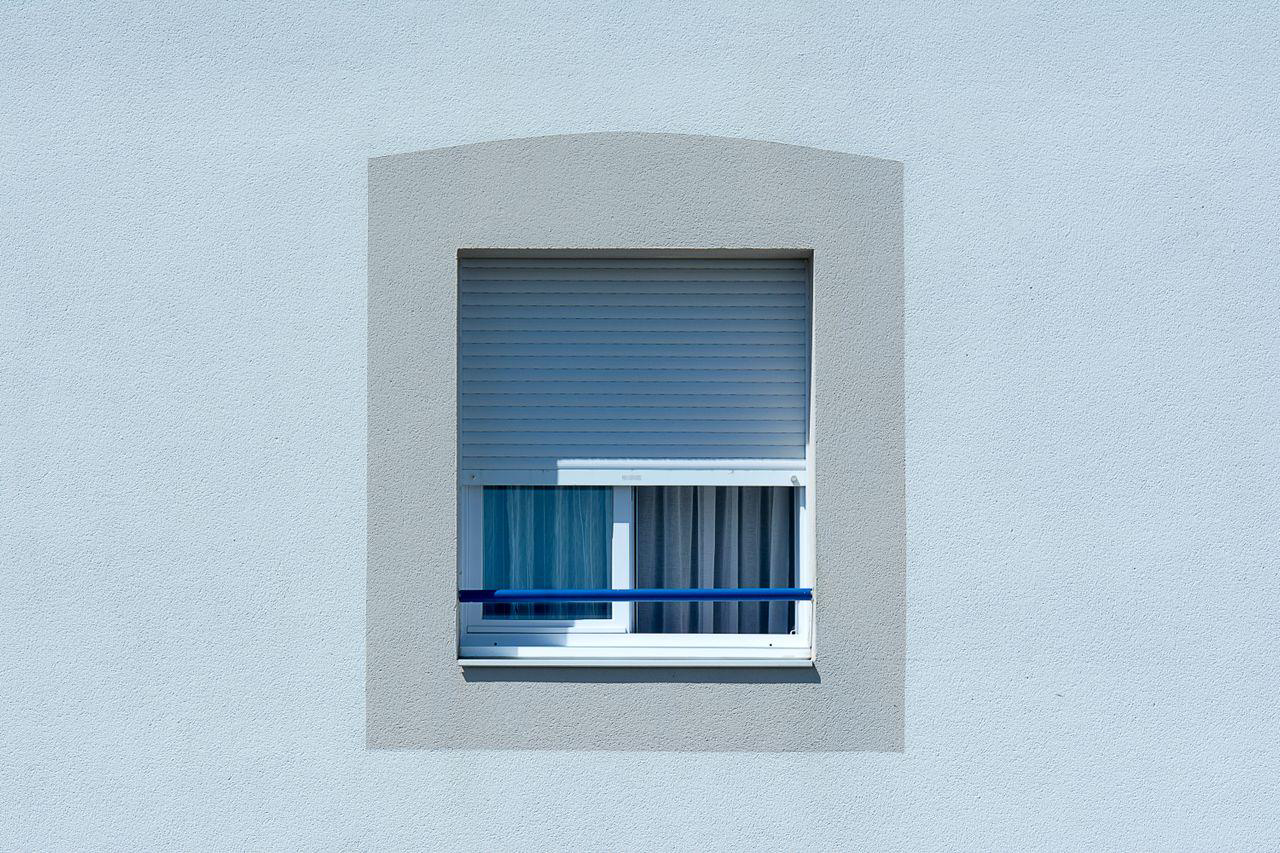
Choosing roller blinds for a Melbourne home is not simply a matter of picking a colour that matches the walls. The fabric, opacity, mounting position, window orientation, operating system and even the way a room is used can affect how well the blinds perform.
For most Melbourne homes, roller blinds are attractive because they offer a relatively clean profile while giving you control over privacy, glare and daylight. The right choice, however, depends on what you need each room to do.
Which roller blinds are best for a Melbourne home?
There is no single roller blind that is best for every room. A practical starting point is to match the fabric to the room’s main requirement:
| Room or situation | Suitable option | Why |
| Bedroom | Blockout | Reduces incoming light and provides strong privacy |
| Living room | Sunscreen or light-filtering | Controls glare while retaining a brighter feel |
| Home office | Sunscreen | Helps manage glare while preserving outward visibility |
| TV room | Blockout | Useful when reducing reflected or incoming light is a priority |
| Rooms needing flexible control | Double roller | Combines sunscreen and blockout functions |
| Smart-home setup | Motorised roller blind | Allows remote or automated operation |
The important point is that different rooms do not necessarily need identical blinds. A home with bright living areas and dark bedrooms may work better with a combination of fabrics rather than one specification throughout.
The three main fabric choices
Blockout roller blinds
Blockout fabrics are designed to substantially reduce light entering the room when the blind is closed. They are particularly useful in bedrooms, nurseries, media rooms and other spaces where darkness or privacy is a priority.
However, “blockout” does not automatically mean that every small amount of light around the edges will disappear. The final result also depends on the installation position, window dimensions and gaps around the blind.
Sunscreen roller blinds
Sunscreen fabrics are designed to filter sunlight and reduce glare while maintaining some connection with the outside view, depending on the fabric’s openness and specification.
They can be particularly useful in living rooms and home offices where you want daylight without having direct sunlight constantly hitting furniture, screens or floors.
Light-filtering or translucent blinds
These fabrics provide a softer middle ground. They allow natural light into the room while reducing direct glare and providing varying levels of privacy.
They can suit spaces where complete darkness is unnecessary but bare windows feel too bright or exposed.
Should you choose single or double roller blinds?
A single roller blind uses one fabric. It is usually the simpler and more economical configuration.
A double roller blind combines two layers, commonly a sunscreen fabric and a blockout fabric. This gives you different levels of control throughout the day.
For example, you could use the sunscreen layer during daylight hours to soften glare while retaining some outward visibility, then close the blockout layer when you want greater privacy or darkness.
The trade-off is that double systems generally require more hardware and space around the window than a single blind. They can also cost more.
The decision therefore comes down to whether the additional flexibility is useful enough for the particular room.
Inside fit or face fit?
The way a roller blind is mounted can make a noticeable difference to both appearance and light control.
Inside fit places the blind within the window recess. This can create a neat, integrated appearance when the recess has enough depth and there are no interfering handles or other obstructions.
Face fit mounts the blind over the window opening. It can provide greater coverage and may be preferable where the recess is shallow or where reducing light gaps around the window is important.
There is no universally better option. Window depth, handles, architraves, wall space and the desired level of light control should all be considered before ordering.
Custom-made or ready-made roller blinds?
Ready-made blinds can make sense when the windows are straightforward and keeping the initial purchase price low is the priority. Online retailers in Melbourne offer standard and made-to-measure options at a range of prices.
Custom-made roller blinds are more appropriate when you have unusual window dimensions, several windows that need to align, large openings or specific fabric and operating requirements.
The advantage is not simply aesthetics. Accurate measurement also helps determine whether the selected blind will clear window handles, fit the chosen mounting position and operate properly.
For multiple windows, consistency matters too. Slight differences in measurements or mounting positions can become obvious when several blinds sit next to each other.
How much do roller blinds cost in Melbourne?
There is no reliable single price because the final cost depends on factors such as:
- Window width and height
- Fabric type and quality
- Blockout, sunscreen or translucent specification
- Single versus double configuration
- Manual versus motorised operation
- Mounting requirements
- Number of blinds ordered
- Professional measurement and installation
One recent Melbourne pricing guide gives indicative ranges of approximately $180–$350 for standard roller blinds, $220–$450 for blockout blinds, $250–$500 for sunscreen blinds, $450–$900 for double roller blinds and $700–$1,500+ for motorised options. These are market estimates rather than fixed prices, so they should be treated as a starting point rather than a quotation.
Online made-to-measure suppliers can advertise substantially lower starting prices because customers may measure and install the blinds themselves.
For a whole-home project, comparing the complete installed price is more useful than comparing the price of one blind.
Can roller blinds help with heat and energy efficiency?
Window coverings can contribute to thermal comfort, but they should not be treated as a replacement for proper glazing, insulation or draught control.
The Australian Government’s energy guidance notes that windows can be a significant source of heat gain and heat loss and recommends well-fitted blinds or curtains as part of a home’s overall approach to temperature control.
For Melbourne homes, the useful question is therefore not simply “Are these blinds energy efficient?” Instead, consider:
- Which windows receive strong direct sun?
- Which rooms become uncomfortable in summer?
- Which windows feel cold in winter?
- How closely does the blind fit around the opening?
- Would a blockout or more tightly woven fabric better suit the room?
- Is external shading a better solution for particularly exposed windows?
Window orientation matters as well. A window exposed to strong afternoon sun may have different shading requirements from one receiving limited direct sunlight.
Motorised roller blinds: when are they worth it?
Motorisation can be useful when windows are difficult to reach, there are many blinds to operate, or automated opening and closing is genuinely convenient.
It can also remove the need for exposed operating cords or chains, although the specific product and installation should still be checked for compliance and safety.
For a few easily accessible windows, manual operation may provide everything you need. For a large home with numerous blinds, motorisation becomes more compelling because operating each blind individually can become tedious.
The best approach is to decide whether motorisation solves a real problem rather than treating it as an automatic upgrade.
Roller blind safety matters in Australian homes
If your roller blinds use cords or chains, safety should be part of the buying decision rather than an afterthought.
The Australian Competition and Consumer Commission (ACCC) states that mandatory standards apply to the supply and installation of corded internal window coverings in Australia. These standards address warning labels, safety components and installation requirements.
The ACCC also warns that unsecured blind and curtain cords can create a strangulation risk for young children. It recommends keeping cords out of children’s reach and keeping cots, beds and other furniture away from accessible cords.
If you are buying or installing corded roller blinds, check that the product and installation meet the applicable Australian requirements. The safest configuration for a particular household may also depend on the available operating systems and room layout.
ACCC blinds, curtains and window fittings safety guidance
What should you check before ordering?
Before choosing roller blinds Melbourne, work through these questions:
- What is the main purpose? Privacy, glare control, darkness, appearance or a combination?
- How much sunlight reaches the window? Direction and time of day matter.
- Do you need an outside view during the day? If so, consider an appropriate sunscreen fabric.
- Does the bedroom need darkness? A blockout option may be more suitable.
- Is the window recess suitable for an inside fit? Check depth and obstructions.
- Would two fabrics be more useful than one? Consider a double roller system.
- Are children likely to access the operating cords or chains? Safety requirements need to be considered.
- Do you want manual or motorised operation?
- Are you measuring the windows yourself or using a professional?
- Does the quoted price include installation?
These questions can prevent a common mistake: choosing the cheapest blind first and only discovering later that its fabric, mounting method or operation does not suit the room.
What makes a good roller blind installation?
A good result is more than a blind hanging from a window. The blind should be appropriately measured, securely mounted, correctly aligned and able to operate without interference.
Professional measurement can be particularly useful for multiple windows, large openings and windows with handles or unusual recesses. Many Melbourne suppliers now offer made-to-measure services with in-home measurement and installation.
Before accepting a quotation, ask what is included. Confirm whether measurement, manufacturing, brackets, installation, removal of old blinds and motorisation are included or charged separately.
Frequently asked questions
Are roller blinds a good choice for Melbourne homes?
Yes, they can be a practical choice when you want a compact window covering with flexible options for privacy, daylight and glare control. The best configuration depends on the room and window.
Are blockout blinds completely dark?
They can significantly reduce incoming light, but the final level of darkness also depends on how the blind is mounted and the gaps around the window. A well-planned installation can reduce unwanted edge light.
Are sunscreen roller blinds suitable for bedrooms?
They can be, but they are generally better suited to rooms where maintaining daylight and some outward visibility is desirable. If darkness is a priority, blockout fabric is usually the more appropriate choice.
Are motorised roller blinds worth the extra cost?
They can be worthwhile for hard-to-reach windows, large numbers of blinds or households that value automated operation. For simple, easily accessible windows, manual blinds may be sufficient.
Should roller blinds be custom made?
Custom-made blinds are particularly useful when windows have non-standard dimensions or when precise alignment, fabric selection and professional installation matter. Ready-made blinds can be suitable for simpler windows and budget-focused projects.
How do I choose the right roller blind?
Start with the room’s actual requirement rather than colour. Decide how much light and privacy you need, whether you want an outside view, how the window is exposed to sunlight, and whether manual or motorised operation makes sense. Then choose the fabric and mounting method around those requirements.
The best roller blind is the one that matches the room
For Melbourne homeowners, choosing roller blinds is ultimately a matter of balancing appearance, light control, privacy, comfort, safety and budget.
A bedroom may benefit from blockout fabric, while a living room may work better with sunscreen or translucent material. A double roller can provide greater flexibility where both daylight and darkness matter. Motorisation can be valuable when convenience or accessibility is a genuine concern.
Rather than selecting the same specification for every window, assess each room individually. That usually leads to a more functional result—and makes the money spent on custom window furnishings work harder.
About the Author:
Joe Calvin is a home and lifestyle writer at Googdesk.com, covering interior design, window furnishings, and practical home improvement ideas.