

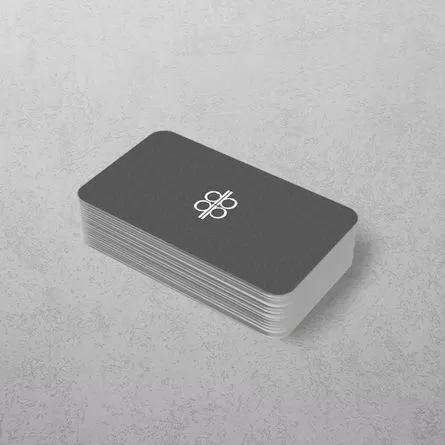
Paper business cards often get discarded, loyalty cards can wear out quickly, and gift cards may become damaged before use. That quick decision about card material affects how customers see the brand and how long the card actually works. A plastic card handles daily wallet abuse, survives water damage, and stays readable for years. From custom plastic card printing for networking events to membership passes and employee badges, the right choice matters. Most businesses grab whatever seems cheap without thinking about replacement costs or brand perception.
What Makes Plastic Cards Better Than Paper?
They outlast paper cards while creating a premium impression that customers remember.
Durability and Lifespan Advantages
It resists daily wear while paper cards tear, stain, and fade quickly. Wallets crush paper easily. Water ruins ink permanently. Plastic resists both problems effectively.
Key durability benefits include the following:
- Waterproof and tear-resistant construction
- Maintains print quality for years of use
- Survives daily wallet friction without damage
- Handles frequent swiping and scanning
- Works effectively in extreme temperatures
Brand Perception and Premium Feel
Handing someone a card signals permanence and quality. Recipients keep them longer than paper alternatives. They feel substantial, modern, and professional in the hand. Hotels use plastic key cards for guest rooms. Gyms issue plastic memberships to their members. Banks print plastic debit cards for customers. Every business deserves the same professional perception.
Cost and Environmental Considerations
Plastic costs more upfront but saves money long-term through reduced replacements. PET cards use recycled materials and reduce waste significantly. Biodegradable options exist for eco-conscious brands. Calculate cost per year of use, not only per order, to understand true value.
Types of Plastic Cards for Business
Different materials serve different business needs effectively. Understanding the distinctions between card types helps businesses make informed decisions. Each material offers unique benefits for specific applications. The right choice depends on budget, environmental priorities, and intended use.
PVC vs. PET vs. Other Plastics
PVC (Polyvinyl Chloride) dominates the market for good reasons. It’s affordable, durable, and takes printing effects well. Standard thickness is 0.76mm, which matches credit card size.
PET (Polyethylene Terephthalate) is durable and environmentally friendly. Many PET cards are made from recycled materials and are fully recyclable. PET can cost more than PVC, but appeals to brands prioritizing sustainability
Composite plastics blend materials for specific needs. These include extra flexibility, higher heat resistance, or enhanced security features.
Material comparison shows these strengths:
- PVC: Best for budget, print quality, and wide availability
- PET: Best for eco-branding, recyclability, and durability
- Composite: Best for specialty applications like hotel keys
Popular Card Types
Businesses use cards in six main ways:
- Business cards – Networking and first impressions at events
- Loyalty cards – Reward programs and repeat customers
- Membership cards – Gyms, clubs, and subscription services
- Access cards – Building entry and secure areas
- ID badges – Employee identification and conferences
- Gift cards – Retail sales and promotional campaigns
Specialty Options
Advanced features expand functionality significantly:
- Clear and frosted cards – Modern aesthetic with a premium look
- Opaque cards – Classic solid colors with high opacity
- Magnetic stripe – Swipe payments and access control
- NFC and RFID chips – Tap payments and contactless entry
- Smart chip cards – Enhanced security and data storage
Design and Customization Options
Design turns a functional card into a valuable brand asset. The visual appearance of a card influences how customers perceive a business. Thoughtful design choices create memorable impressions that last beyond the first interaction. Combining practical elements with creative touches delivers cards that work hard and look professional.
Key Elements to Include
Every effective plastic card includes these essential elements:
- Company logo – Primary brand identifier for recognition
- Contact information – Phone, email, and website details
- QR codes – Direct links to websites or social profiles
- NFC tags – Contactless information sharing capabilities
- Personalization – Names, member numbers, and photos
Ensure text is readable at card size and use high-contrast colors for clarity. Always review a physical sample before printing large quantities.
Printing Effects
Premium finishes create tactile experiences that impress recipients:
- Foil stamping – Metallic gold, silver, or holographic accents
- Spot UV – Glossy raised coating on specific areas
- Embossing – Raised text or logos you can feel
- Matte and glossy finish – Overall texture choice for the card
- Full-color printing – CMYK or Pantone color matching
Combining effects costs more but creates memorable cards that recipients keep longer.
Design Best Practices for Branding
Follow these rules for maximum brand impact:
- Use brand colors consistently across all cards
- Limit fonts to two or three maximum for clarity
- Balance white space with information effectively
- Place critical information on the front side
- Reserve the back for secondary details or terms
- Test designs with your target audience first
Practical Considerations for Choosing the Best Card
Match your card choice to your business reality and needs. Practical considerations prevent costly mistakes and ensure the cards actually serve their purpose. Thinking through these factors before ordering saves time and money in the long run. Every business has unique requirements that influence the best card choice.
Intended Use and Target Audience
A nightclub VIP card needs bold graphics and a glossy finish. A medical office ID badge needs clear photos and matte surfaces to reduce glare. Corporate business cards require elegant simplicity and professionalism. Retail gift cards demand eye-catching designs that attract attention at checkout counters.
Ask these critical questions: Who receives this card? How will they use it daily? What impression do I want to create?
Durability for Frequent Handling
Cards handled daily need a thicker stock and protective overlays. Loyalty cards swiped repeatedly benefit from magnetic stripe reinforcement. Employee badges worn on lanyards need hole punch reinforcement to prevent tearing. Occasional-use cards like event passes can use thinner materials to reduce costs without sacrificing function.
Budget, Quantity, and Reorder Cycles
Small orders cost more per unit than bulk orders. Bulk orders reduce per-card costs significantly over time. Calculate annual needs before ordering to maximize savings. Reorder cycles matter for long-term planning. Loyalty programs with growing memberships need flexible reorder options. Business cards with changing contact info should be ordered in smaller batches to avoid waste.
Eco-Friendly and Sustainable Choices
Sustainable options include these environmentally friendly materials:
- PET cards made from recycled plastic bottles
- Biodegradable PLA cards that decompose naturally
- FSC-certified paper-plastic hybrid cards
- Digital alternatives with NFC or QR codes
Communicate eco-friendly choices to customers clearly. It strengthens brand values and appeals to conscious consumers who care about the environment.
Mistakes to Avoid When Choosing Plastic Cards
Common errors waste money and hurt brand perception unnecessarily. Learning from these mistakes helps businesses make smarter choices from the start. Avoiding these pitfalls saves both time and resources while protecting brand reputation. Many businesses repeat the same errors simply because they rush the decision process.
Overcomplicating the Design
Too many colors, fonts, and graphics create confusion for recipients. Cards should communicate clearly at a glance without effort. Simplify your design approach intentionally. Remove unnecessary elements that distract from the message. Focus on core information and one strong visual element.
Ignoring Material and Finish Quality
Cheap plastic feels cheap in the hand and signals poor quality. Faded printing looks unprofessional and hurts brand image. Poor magnetic stripes fail after a few swipes and frustrate users. Invest in quality materials and proven printing techniques. The cost difference is small, but the perception difference is huge for customers.
Ordering Without Samples
Never place bulk orders without testing samples first. Colors look different on screens versus physical cards in hand. Finishes feel different from how they appear in digital mockups. Order sample cards with the exact design and materials before committing to large quantities.
How to Select a Plastic Card Provider
The right supplier makes the entire process smooth and stress-free. Finding a reliable provider requires research and careful evaluation of several factors. A good supplier partnership ensures consistent quality and timely delivery for all future orders. The provider you choose directly impacts the final product quality and your overall experience.
What to Look For in a Manufacturer or Supplier
Choose suppliers based on these critical factors:
- Experience: Established track record in custom plastic card printing
- Technology: Modern printing equipment and techniques
- Capacity: Ability to handle different order volumes
- Customization: Flexible design and feature options
- Support: Responsive communication and design assistance
- Reviews: Positive customer feedback and testimonials
Ask for their portfolio to review. Review previous work samples carefully. Check turnaround times and delivery reliability.
Comparing Prices, Turnaround, and Support
Get quotes from three to five suppliers for comparison. Compare these important factors:
- Per-card cost at different quantity levels
- Set up fees for designs and templates
- Shipping costs and delivery speed options
- Rush order availability and pricing structure
- Design support included or charged as extra
Cheapest isn’t always best for quality. Balance cost with quality and service levels appropriately.
Quality Assurance and Sample Testing
Reputable suppliers offer these quality guarantees:
- Digital proofs before production begins
- Physical samples upon request for testing
- Quality guarantees and reprint policies
- Color matching accuracy standards
- Clear defect policies and resolution processes
Test samples thoroughly before approving bulk production runs.
Bottom Line
Choosing the right plastic card starts with understanding your specific needs clearly. Consider purpose, audience, budget, and brand goals before ordering. PVC works well for most applications without complications. Design simply but effectively for maximum impact. Test samples before placing bulk orders to avoid costly mistakes. Partner with experienced suppliers who offer quality guarantees and responsive support. Avoid common mistakes like overdesigning and skipping samples that waste money. If you need business cards, loyalty programs, or employee badges, the right card strengthens your brand and serves your customers reliably for years.
Quality cards create lasting impressions that customers remember. Partnering with an experienced supplier like DuraCard ensures your cards are durable, well-designed, and cost-effective. PVC and PET options suit a variety of business needs, and sample testing with design support helps guarantee quality. Thoughtful choices in materials, finishes, and customization create cards that leave lasting impressions on customers.
FAQs
1. What types of plastic cards are available for business use?
PVC, PET, clear, frosted, opaque, magnetic stripe, RFID, and NFC cards, and specialty finishes such as embossed or spot UV designs are available for various business applications.
2. How do plastic business cards compare to paper cards?
They are more durable, waterproof, longer-lasting, and create stronger visual impressions, while paper cards cost less upfront and recycle more easily than standard plastic options.
3. What factors should I consider when choosing a plastic card supplier?
Consider the supplier’s reputation, customization options, printing technology, production capacity, pricing structure, turnaround times, and verified customer reviews before ordering cards.
4. Are plastic business cards eco-friendly?
Some cards are made from recycled or biodegradable materials like PET or PLA. Request eco-friendly options from suppliers to reduce environmental impact while maintaining card durability.
5. How do I decide which type of plastic card is best for my business?
Consider intended use, target audience, required durability, budget constraints, and needed features like NFC, magnetic stripes, or specific brand colors when selecting cards for business.
6. Do plastic cards require special care or handling?
They are designed to be robust, but they may show edge wear or surface scratches with extensive use. Protective sleeves and careful handling extend the card’s lifespan significantly.