

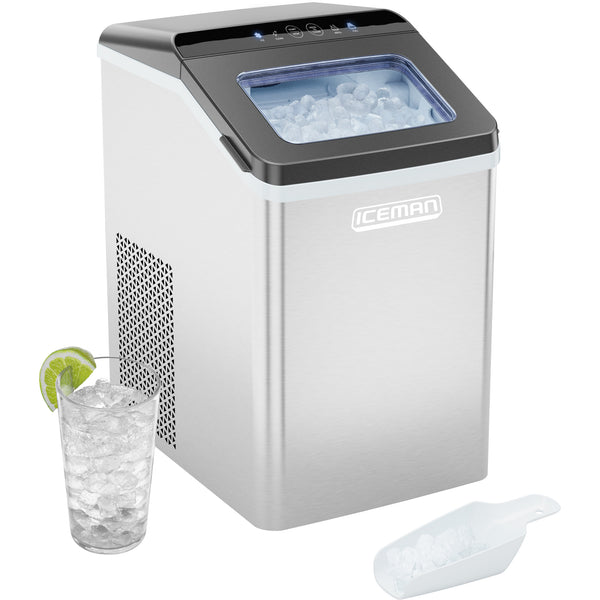
Ice makers seem simple, but a lot happens inside to produce those cubes. Water flows in, freezes on a cold plate or tray, and then gets ejected into the bin. When any part of this process breaks down, you end up with no ice, bad ice, or a mess in your freezer. Most problems trace back to water flow issues, temperature imbalances, or faulty controls. Ice maker repair restores your ice supply, protects your refrigerator from water damage, and prevents leaks that can harm your floors and cabinets.
What Are the Water Supply and Filter Problems?
Water supply issues are the most common cause of ice maker failures. Your ice maker needs a steady flow of clean water to produce quality cubes. When that supply gets interrupted or contaminated, problems start quickly.
Common Causes
- Frozen water lines that block water from reaching the ice maker
- Low water pressure prevents the inlet valve from opening properly
- Clogged or faulty water inlet valves
- Dirty or overdue water filters that restrict flow
How Repair Fixes These Issues
A technician inspects water lines for blockages, thaws frozen sections, and replaces faulty inlet valves. Filter-related problems get solved by installing new filters and checking the housing for cracks.
Temperature and Freezer Setting Issues
Temperature plays a critical role in ice production. Your freezer needs to maintain the right conditions for the ice maker to work properly. Even small temperature variations affect ice quality and production speed.
Common Causes
- The freezer temperature is set too warm, preventing complete freezing
- Freezer temperature is too cold, causing components to freeze up
- Faulty thermostats that give incorrect readings
- Poor airflow from blocked vents or an overpacked freezer
These issues result in slow production, hollow cubes, or misshapen ice that melts too quickly.
How Repair Fixes These Issues
Ice maker repair for temperature problems begins with checking and adjusting freezer settings. The ideal temperature for ice production is between 0 and 5 degrees Fahrenheit. The technician also tests and replaces faulty thermostats, cleans condenser coils to improve cooling, and clears blocked vents for proper airflow.
Mechanical and Control Failures
Mechanical components and electronic controls manage the ice-making cycle. When these parts fail, your ice maker may stop working entirely or behave erratically.
Common Causes
- The control arm is stuck in the off position or misaligned
- A broken ejector motor that cannot release ice from the tray
- Faulty dispenser motor in refrigerators with door dispensers
- Damaged control module or main board
- Loose or corroded wiring connections
How Repair Fixes These Issues
The technician inspects all mechanical components and tests electronic controls to identify the failure point.
Repair solutions include:
- Repositioning or replacing the control arm
- Installing new ejector or dispenser motors
- Replacing damaged control modules or circuit boards
- Repairing loose wires and cleaning corroded connections
Ice maker repair for control issues requires proper diagnostic tools and knowledge of your specific refrigerator model.
Causes of Leaks, Noise, and Ice Quality Problems
Leaks, unusual sounds, and poor ice quality signal underlying problems that need attention. These symptoms often indicate multiple issues working together.
Common Causes
- Clogged drain lines are causing water backup and leaks
- Scale buildup from hard water minerals
- Dirty evaporator plates are affecting ice formation
- Failing compressor or condenser fans are creating loud noises
- Contaminated water supply producing bad-tasting ice
How Repair Fixes These Issues
A thorough cleaning and inspection address most of these problems. The technician clears clogged drains and removes scale deposits from internal components.
Additional repair steps include:
- Tightening or replacing leaking hoses and connections
- Servicing noisy fans or worn compressor components
- Descaling the water system and ice-making parts
- Installing better filtration to improve ice taste and clarity
When Should You Call an Ice Maker Repair Pro?
Some ice maker problems require professional expertise and specialized tools. Knowing when to call a technician saves time and prevents further damage.
Warning Signs That Need Professional Help
- No ice production after basic troubleshooting
- Repeated clogs that return after clearing
- Electrical burning smells from the unit
- Recurring leaks despite tightening connections
- DIY fixes that work temporarily but fail again
Safety and Warranty Considerations
Professional repair is essential for sealed-system components and electrical issues. Working on these parts without training creates safety hazards and voids warranties.
Conclusion
Ice maker problems stem from water supply issues, temperature imbalances, mechanical failures, and component wear. Understanding these causes helps you identify when simple troubleshooting works and when professional repair is needed. Addressing problems early prevents water damage, protects your refrigerator, and keeps your ice supply flowing.
Dealing with an ice maker that won’t cooperate? CLT Appliance Repair fixes all types of ice maker problems quickly and affordably. Their expert technicians diagnose water supply issues, repair faulty controls, clear stubborn clogs, and restore your ice production the same day. Also, they work on all refrigerator brands and back every repair with a satisfaction guarantee.